People will often comment to us “That looks fun, but I couldn’t do that!” or “If I was younger, then I would try backpacking, but I am too old!” In my mind, age has always just been a number. Some people are old when they are young, and others are still young when they are old! Last time I checked, trails do not check birthdays, and the skills you need (walking, carrying a pack, setting up camp) can be learned and improved on at any age. What changes is how you go about it: you have to be more deliberate, with a bit more attention to recovery, and with a clear idea of what you actually enjoy.
This guide goes over the fears that hold women in their 40’s to 60’s back, a smart way to build up from a day hike, the gear that matters for a first overnight hike, and a 90-day plan that takes you from your front door to a night in a tent on a trail.
Why “too late” is just a story.
The idea that you missed your chance usually comes from comparing yourself to a common picture of a backpacker: twenty-something, young and fit looking, carrying a pack that looks like it weighs nothing…. That picture is typical on social media, but isn’t necessarily typical of backpackers. Many people take their time, stop often to enjoy the scenery and eat snacks, and are strategic on what they carry so their pack isn’t overloaded. And they have an awesome time!
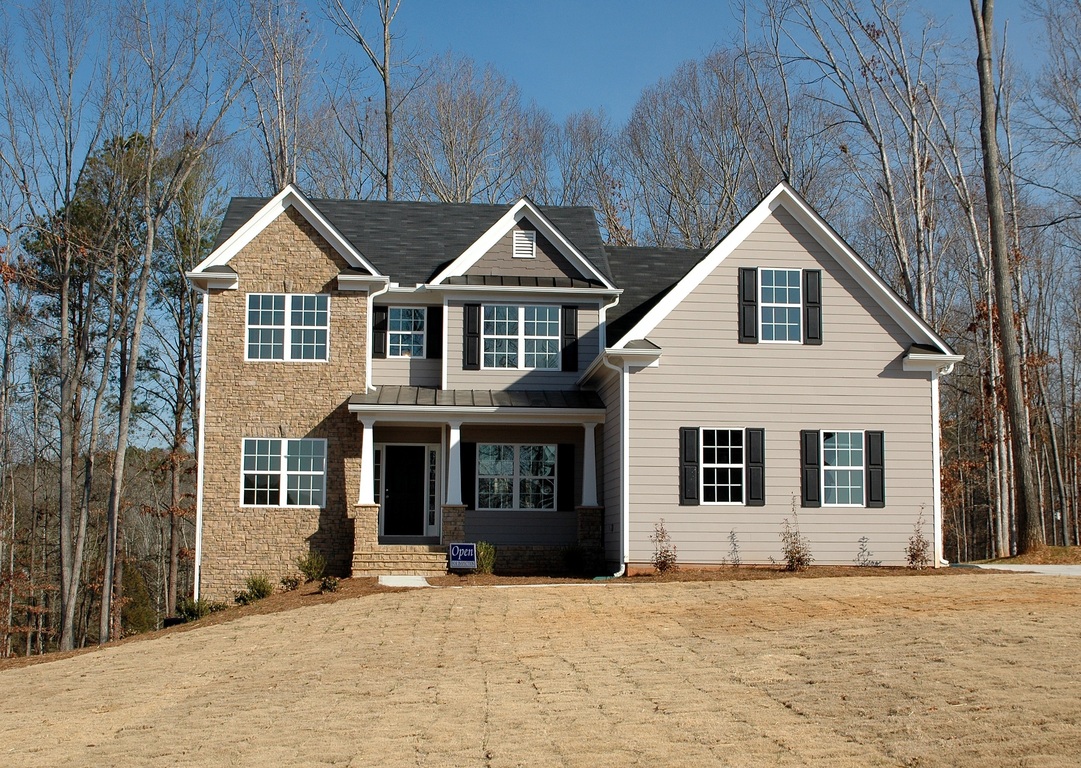
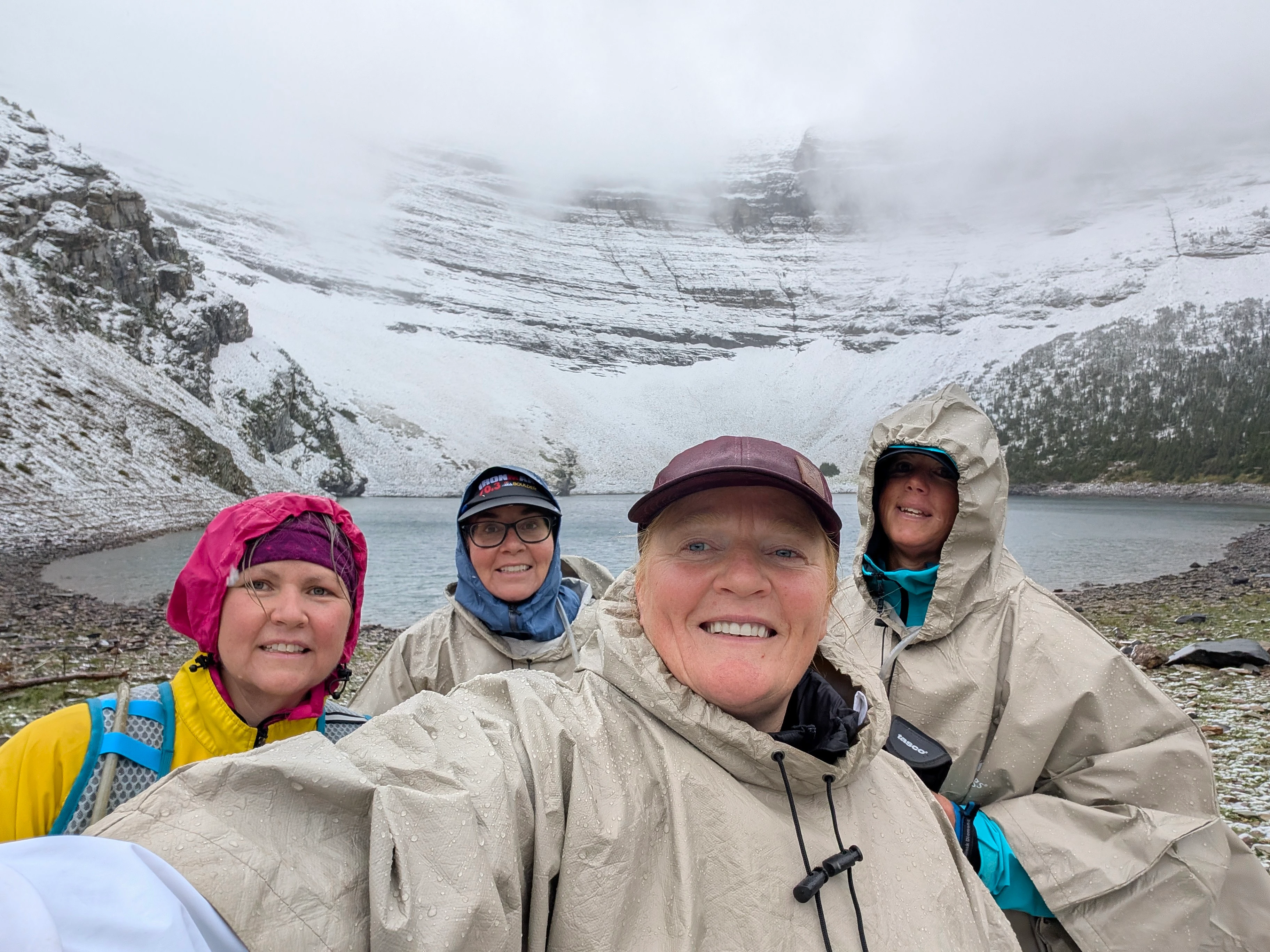
Getting into backpacking a little later in life actually has some advantages. You probably know your limits better than you did at 25. You are more likely to plan, to pack sensibly, and to turn around when the weather is looking questionable…..though if you have followed us for any amount of time, you know we hike in ALMOST any weather 🙂 But we do make wise decisions when it could be dangerous. We did not finish our Akamina Ridge hike in September because it was snowing and the scramble up to the ridge would have been dangerous.
Nothing here says you have to be fast, young, or fearless. You just have to begin where you are physically and build from there.
The five fears that hold women back
Most women who are apprehensive about backpacking have some combination of the same worries.
“I’m not fit enough”
Honestly, the fitness needed for a first overnight hike comes mostly from walking, and you can build distance and hills gradually. Start with walking 20 to 30 minutes a few times a week and then add time and hills over several weeks. Then you can start wearing your pack on your walks and slowly start adding weight.
If you have a health condition, joint problems, or have not been active in a long time, check in with your doctor before you ramp up. Then begin where you are, not where you think you should be.
“I don’t know what gear I need”
You need less gear than you might think. For a first overnight trip, these are the key items: a pack that fits, a tent, a sleeping bag and pad, some way to cook or eat, water, and clothing you can layer for changing weather. The gear section below will help you decide what you need now, what you can borrow, what you already have, or what can wait.
“Is it safe?”
Being safe on the trail is mostly about being prepared. To start with, choose a well-used trail. Check the weather and trail conditions before you leave, download the route on All Trails or something similar, and tell someone your what your route is and when you plan to be back. Pack the basics for emergencies, such as a first aid kit, extra food, extra batteries or a charger for your headlamp and a way to stay warm.
One thing we always take with us is a Garmin In-Reach, so we have a way to communicate with family if we need to. My husband John got that for me after a 60 km day hike Becky and I did a few years ago with 2 other people….due to a few things happening out of our control, we were 3 hours late where he was waiting to pick us up! It is a good tool to have, though many cell phones now have satellite capability as well. Just make sure you have some way to reach the outside world!
“I don’t want to go alone, and I don’t have anyone to go with”
This is one of the most common reasons women don’t go hiking or backpacking, but there are solutions to that problem! Join a local hiking group (here in Southern Alberta, check out Uplift Adventures…they do guided overnight backpacking trips!) You could also convince a friend to try one easy overnight trip, or start working towards doing a solo trip someday!
“I’ll look feel of place”
Trailheads are full of different people and different sizes and shapes: families with young children, retired people, couples, groups of friends, or solo hikers. Most people on trails are friendly and love to chat. And they are more interested in the view than in what you are wearing or what you look like! The more miles you walk, the less you will even think about this.
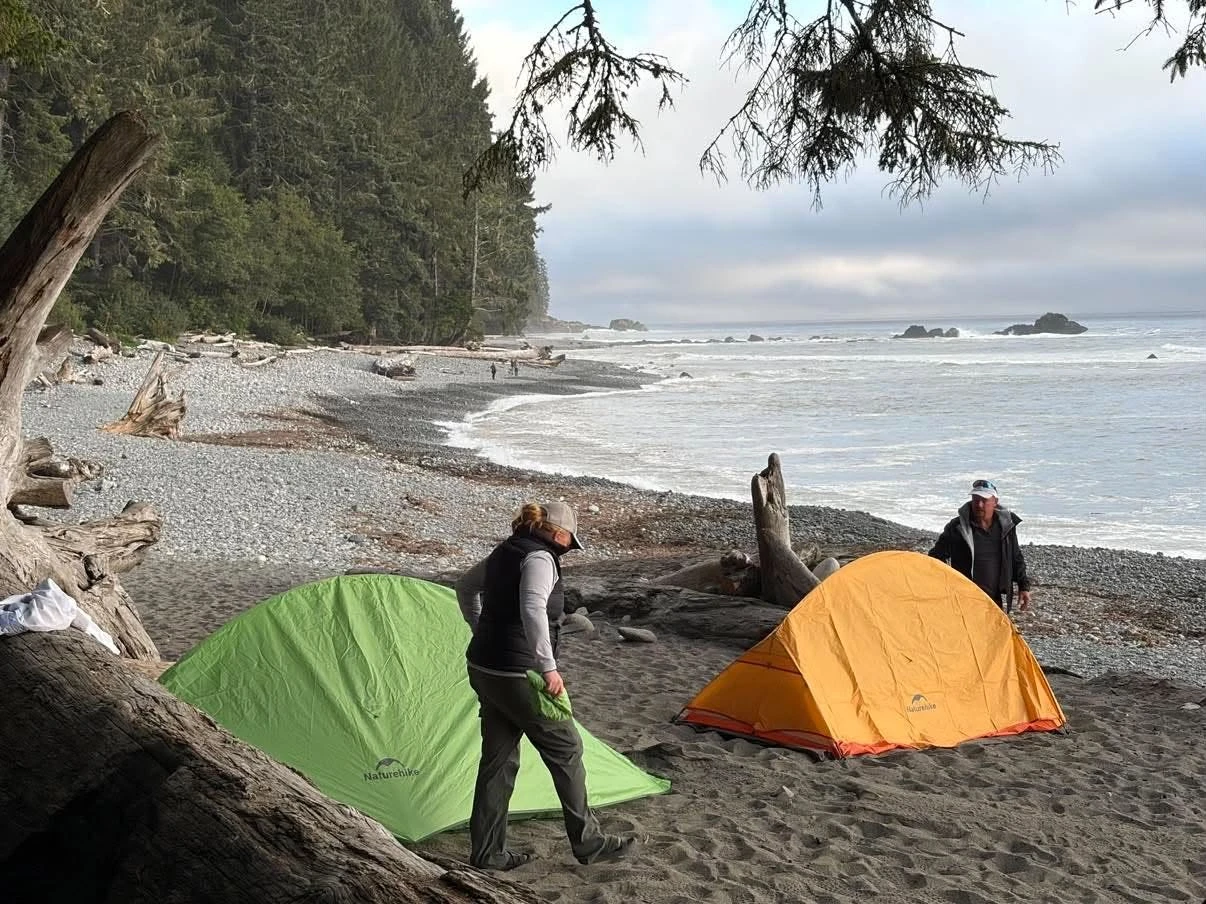
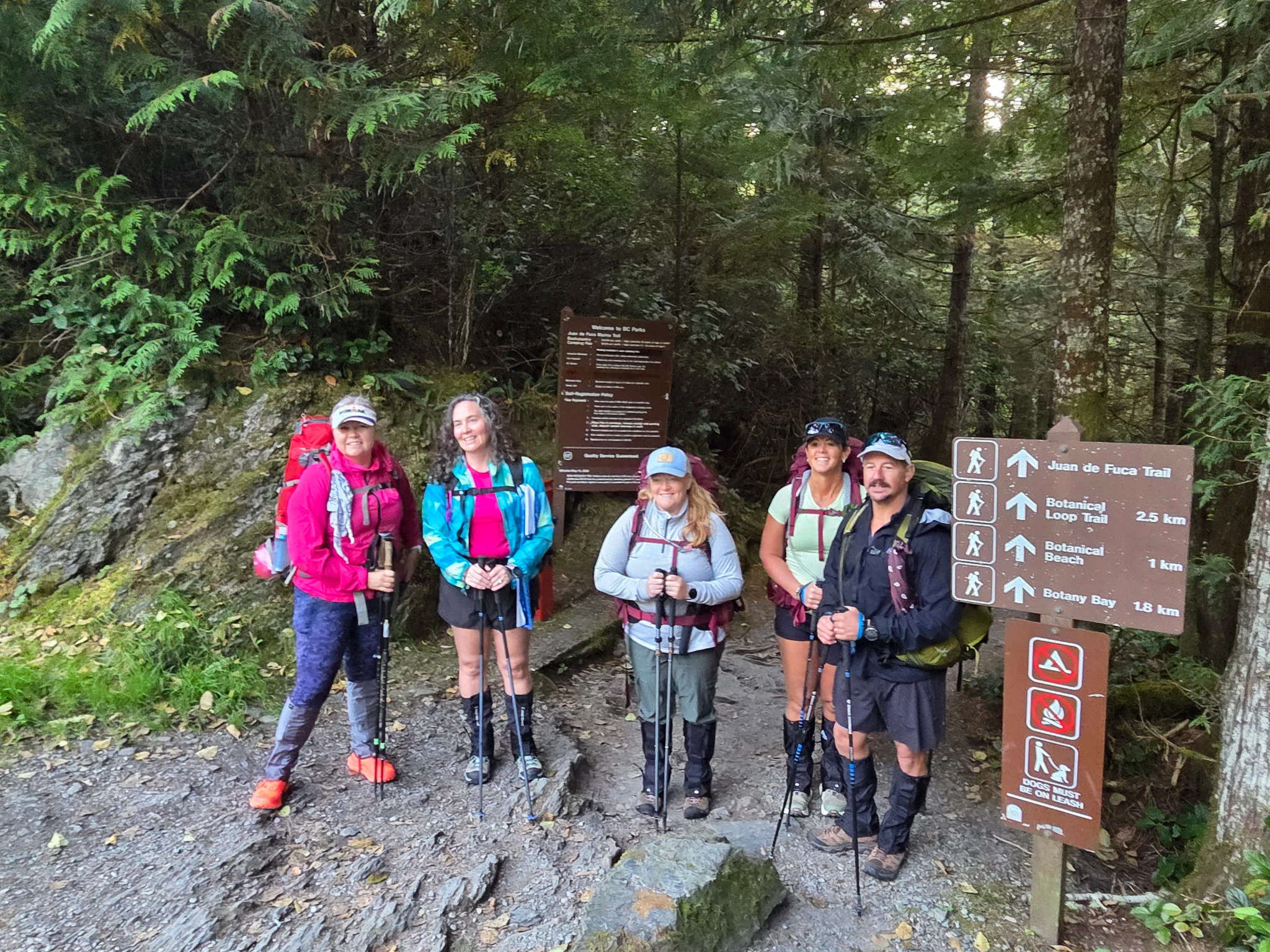
When we hiked the Juan de Fuca Trail on Vancouver Island recently, we were older and (I speak for myself) “fluffier” than some people we met, and younger than others. Some of the older people, and many of the younger people looked a lot more capable than we did. They looked in better shape physically. And yet, the group of young, thin Europeans were struggling; another young couple we met were not sure they were going to make the next campsite before dark. Others were heading back to the start after planning to do the entire trail, but after one section felt physically unable to keep going.
We have had people say to us “Wow, you guys must be in great shape!” to which Becky’s answer is “Maybe we are just too stubborn to quit!”
Start with a day hike: build your base without overdoing it
Day hiking will teach you most of what you need to know before you commit to spending a night outdoors. You learn how your feet handle a few hours of walking, how much water and food you actually use, and how your body feels on hills.
Pick a trail with clear trail markers and easy terrain, and start short. A couple of hours is plenty for a first hike. Go at a pace where you could hold a conversation… if you are gasping you are going too fast for a long day.
Some habits that will help you while you build up:
- Break in your runners or hiking boots before any longer trip. Blisters end more hikes than weak legs do.
- Wear layers you can add or remove, and avoid cotton against your skin if the weather might change.
- Carry water and snacks, even on short hikes.
- Rest a day between harder outings so your joints and muscles can recover.
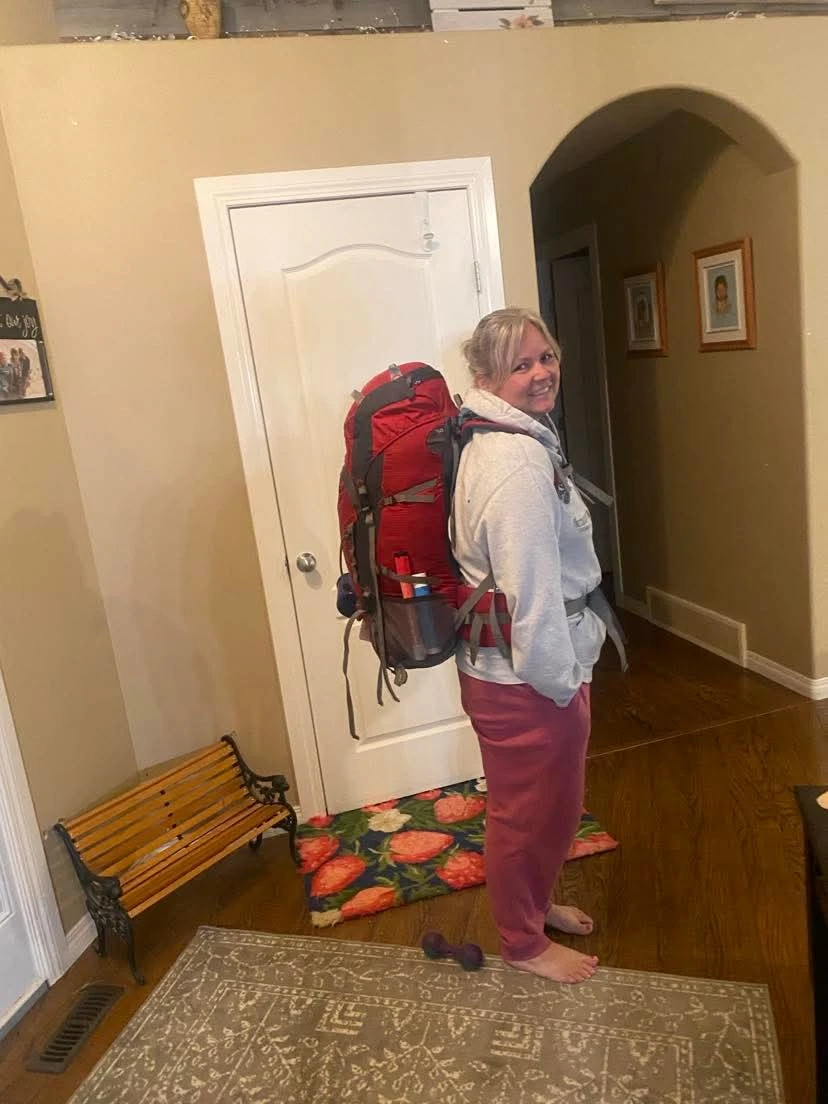
- Start with a day pack, then graduate to your overnight pack, so your shoulders and hips adjust before the weight gets real.
- If your pack does not feel comfortable, make sure you do some research on You Tube on how your pack should fit and how to adjust it!
Once a three or four hour hike feels comfortable, you have a good base to try a longer day, then its time for an overnight hike.
Gear for your first overnight hike
New backpackers often spend a lot of money before they ever go on a trip and before they even know if they will like it enough to do it again! A better idea is to buy the essentials, borrow or rent what you can, and upgrade after you know what you like.
What you need
- A pack that fits your torso and hips. Fit matters more than brand. If you can, try packs on in a store with weight inside, and ask the staff to measure your torso length.
- A shelter. A tent that is right for the season and location you plan to visit, and doesn’t add to many extra pounds to your pack!
- A sleeping bag and sleeping pad. The bag keeps you warm, and the pad insulates you from the cold ground and adds comfort. Choose a bag rated for the temperatures you expect.
- Footwear and socks you have already worn on trails. Wool or synthetic socks tend to handle moisture better than cotton. All of us love the wool socks from Costco and they are much cheaper then ones from a sports store!
- Layers and rain protection. Mountain weather can shift quickly, so pack a warm layer and a waterproof jacket even if the forecast looks clear. We actually love our Frog Toggs poncho, because it is easy to put on and covers your backpack as well!
- Food, a stove and a way to filter water. Keep the menu simple for the first trip. We used a Jet Boil and had a few different ways to filter water…which we will cover in another post soon.
- Navigation and light. A map you know how to read, a headlamp with either extra batteries or a battery pack to charge the headlamp and your phone.
- A first aid kit and a way to signal for help. A Garmin In Reach or a phone with Satellite capabilities.
- Trekking Poles. There are a lot of opinions and feelings regarding trekking poles. But I think the older we get, the more they stay on the “Essentials” list. They don’t need to be expensive…Costco ones work just as well!
What can wait
A lighter tent, a premium sleeping bag and specialty cooking gear are all nice to have. Wait until you have a few trips behind you, and you will know which upgrades are worth the money. Borrowing from a friend or renting from an outdoor shop is a low-cost way to test items before buying.
Your first overnight: choose an easy trail
For a first night out, choose a trail that you will enjoy and that will make your trip a great experience. That means a short distance, a modest climb, a reliable water source, and a campsite you can reach well before dark.
A few things to look for when you choose:
- Short mileage. A few miles to camp is enough. You are testing your setup, not proving anything.
- Close to home. If something goes wrong, or you decide you want your own bed, you are not far away.
- A well-used route with clear information. Hike in a national park or near a town, where there is likely to be more people around. Check local weather, fire bans, and permit fees, and weather there are bear caches for your food or if you have to bring a rope to hang your food in a tree!
- Easy bail-out options. Know how you would get back to the trailhead if the weather changed.
Practice setting up your tent in the backyard or living room first. Cook one meal at home on the stove you plan to bring. These small rehearsals take the stress out of the real thing, because fumbling with tent poles is much easier to laugh off in your own yard.
Finding your people
You do not have to find a perfect hiking partner to get started, but good company will definitely make the first trip easier. Some ways to find good company:
- Local hiking clubs and outdoor shops. Many run group hikes and beginner events, and staff often know of groups in your area.
- Women’s hiking and backpacking groups. Search social media and community sites for groups near you. Many welcome beginners and midlife women specifically.
- A friend or family member. Invite someone to try an easy day hike with you. They may surprise you by saying yes.
- Online communities. Even if you hike alone, other women’s trip reports and advice can help you plan.
If you decide to go solo, build up to it. Hike popular trails where you are likely to see other people, share your itinerary with someone you trust, check in when you can, and trust your instincts if a situation or person feels wrong. Turning around is always allowed. Going solo is a skill you develop over several trips, and plenty of women find it becomes their favorite way to hike once they are comfortable.
The bonus that comes with the miles: your mental health
We are very firm believers that the benefits of hiking are not only physical. Spending time outside in nature, steady movement and a break from screens leave us feeling calmer and clearer. Many women find that a day on the trail does more for their mood than they expected, and having done something challenging will give you those good endorphins that carry you for the rest of the week!
Plus, when you find a group of friends that you trust, you can vent about any issues you have been dealing with and solve the worlds problems….all in one day!
Your 90-day plan from the couch to the campsite
This plan is a suggestion, so adjust it to your schedule and your body. If a week feels too hard, repeat it. If you have a health concern, ask your doctor before you start.
Days 1 to 30: build the habit
- Walk 20 to 30 minutes, three times a week, at a pace that lets you talk.
- Choose a hilly route or add stairs once a week.
- Start looking into trails near you and join a hiking group or online community.
- Wear your hiking footwear on your walks.
Days 31 to 60: go longer and try a pack
- Take one longer walk or easy day hike each week, building from about an hour toward three or four hours.
- Carry a daypack with water, snacks and an extra clothing layer, and add a little weight as you feel ready.
- Borrow or buy your core gear: pack, sleeping bag, pad and tent.
- Practice pitching your tent at home and cooking a simple meal on your stove.
Days 61 to 90: your first overnight
- Do a final longer day hike with your loaded pack to see how your body handles it.
- Choose your short, close-to-home trail and check conditions, permits and the weather forecast.
- Tell someone your plan and your expected return time.
- Walk in, set up camp early, cook, enjoy the evening, and try to get a great sleep…or at least a good one.
- Walk out the next morning and write down what worked for you and what you would change.
By day 90 you will have done something you may have always wanted to do, but thought you were too old to do. And then you will most likely find yourself planning your second trip because you enjoyed the first one so much!
Your next step
Pick one small step from the plan above and commit to it this week. It could be a 20 minute walk, a search for a local hiking group, or a trip to the outdoor store to try on packs. Then tell us when you plan to do your first overnight hike in the comments below, so other women can cheer you on and swap tips!


Leave a Reply